The reliability of a vehicle hinges on many factors, but one of the most critical is the health of its transmission. As many drivers in Whitehouse, TX can attest, neglecting regular inspections often leads to costly repairs and significant inconveniences. Understanding the importance of routine transmission checks can save you both time and money while keeping your vehicle running smoothly.
Transmission systems are intricate, with numerous components working together to ensure seamless gear shifts and optimal performance. When any part of this system falters, the consequences can range from minor annoyances to complete breakdowns that leave you stranded. Regular inspections provide an opportunity to catch potential issues early. For instance, if a transmission fluid leak goes unnoticed, it could lead to more severe problems such as slipping gears or overheating.
The Mechanics Behind Transmission Inspections
Regular transmission inspections involve checking various aspects of the system to ensure they are functioning correctly. A trained technician will typically examine the transmission fluid for color and consistency, inspect seals and gaskets for leaks, and assess the overall condition of components like solenoids and filters. Each of these elements plays a crucial role in how well your vehicle operates.
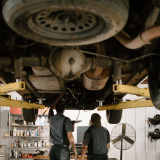
Transmission fluid serves not only as a lubricant but also as a coolant. Over time, fluid can become contaminated with metal shavings or burnt from excessive heat, diminishing its effectiveness. A thorough inspection allows mechanics to detect issues before they escalate into major repairs.
Common Signs That Indicate Your Transmission Needs Attention
Many drivers may overlook subtle signs that their transmission requires inspection. Addressing these early indicators can prevent serious malfunctions down the road:
- Slipping Gears: If your vehicle unexpectedly changes gears without input from you, it could signify a problem with the transmission. Delayed Engagement: A noticeable lag when shifting from park to drive or reverse suggests that your transmission might need attention. Unusual Noises: Grinding or whining sounds during gear shifts often indicate underlying mechanical issues. Fluid Leaks: Spotting reddish-brown spots under your vehicle means it’s time for a check-up. Warning Lights: Dashboard indicators related to your transmission should never be ignored; they often point directly to malfunctioning components.
If you notice any of these symptoms, seeking immediate help from a local transmission mechanic in Whitehouse is essential. Early intervention can mean the difference between a straightforward repair and an expensive rebuild.
The Benefits of Routine Transmission Inspections
Engaging in regular inspections has numerous advantages beyond just catching problems early:
Cost Savings: Preventative maintenance is always cheaper than emergency repairs. Addressing minor issues before they become major failures can save hundreds or even thousands of dollars. Extended Lifespan: Just like any other part of your vehicle, your transmission benefits from regular care. Keeping fluids clean and ensuring all parts function properly helps prolong its lifespan. Improved Performance: A well-maintained transmission ensures smooth shifts and better fuel efficiency, enhancing your overall driving experience. Safety Assurance: A malfunctioning transmission can lead to dangerous situations on the road—regular inspections help keep you safe by ensuring that all systems are functioning correctly. Peace of Mind: Knowing that your vehicle is being regularly checked by professionals gives you confidence when you're behind the wheel.What Happens During a Transmission Inspection?
When you take your car into a trusted Whitehouse TX transmission shop for an inspection, expect several key procedures:
- Fluid Examination: Technicians will evaluate the condition and level of your transmission fluid. If needed, they may perform a fluid change or flush. Leak Detection: They will inspect for leaks around seals and gaskets to prevent future complications. Component Assessment: This includes testing solenoids, checking wire connections, and inspecting bands within automatic transmissions. Diagnostic Testing: Advanced tools may be used for diagnostic checks that reveal electronic faults or malfunctions not visible during manual inspections.
These comprehensive assessments allow mechanics to provide tailored advice based on their findings.
Transmission fluid change Whitehouse TXChoosing the Right Transmission Specialist
Choosing an experienced mechanic is vital when it comes to maintaining your vehicle's transmission health. When searching for a reliable auto repair shop in Whitehouse TX specializing in transmissions:
Look for certifications such as ASE (Automotive Service Excellence) which indicate competence in specific areas. Check reviews online from previous customers; their experiences can offer insights into service quality. Inquire about warranties offered on repairs; reputable shops often stand behind their work with guarantees.Finding qualified professionals who understand both manual and automatic transmissions ensures that you receive top-notch service tailored specifically for your needs.
The Cost Implications of Ignoring Inspections
Neglecting routine inspections can lead not only to breakdowns but also significant financial click here repercussions over time:
- Minor repairs typically cost much less than major ones; ignoring small issues might lead them to develop into full-blown failures requiring entire system replacements. Emergency situations often require immediate service which usually comes at premium prices compared to scheduled maintenance appointments.
For example, what might start as a simple clutch repair could escalate into needing an entirely new transmission if left unchecked.
Scheduling Your Next Inspection
Ideally, scheduling regular inspections should be part of every car owner’s maintenance routine—just like oil changes or tire rotations. Depending on usage patterns such as driving conditions or frequency—many experts recommend getting transmissions checked every 30,000 miles or so.
However, if you frequently drive under harsh conditions—such as towing heavy loads—or notice any warning signs mentioned earlier—it would be prudent to have inspections done more frequently.
Additionally:
- Keep track of when synthetic fluids were last changed since they might last longer than conventional oils but still require periodic replacements based on manufacturer recommendations.
By proactively managing this aspect of vehicle maintenance through timely assessments at an established Whitehouse TX transmission service center—drivers equip themselves against unexpected costs while promoting longevity within their automobiles.
In essence—embracing routine inspections leads not only towards enhanced safety but also ensures that expenditures remain manageable across ownership periods!